

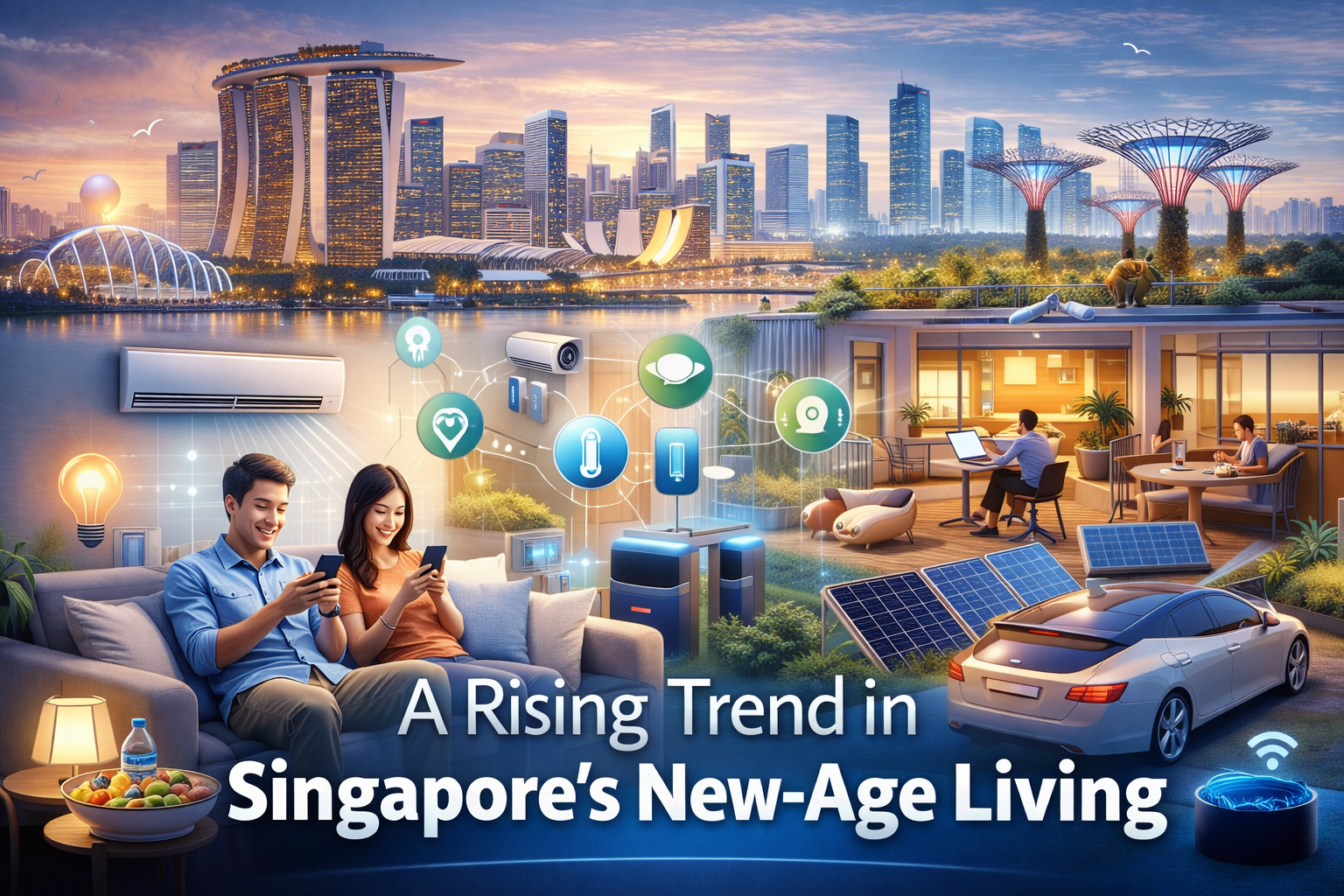
Introduction: How Singapore Is Redefining Modern Living
Singapore has always been a city that adapts faster than most. From being a global financial hub to becoming one of the smartest cities in the world, the nation consistently sets benchmarks in urban development. In recent years, however, a new transformation has been quietly reshaping daily life across the island: the rise of new-age living. New-age living in Singapore is not about a single lifestyle shift. Instead, it reflects a blend of technology, sustainability, wellness, flexible work culture, and evolving social values. Younger generations, expatriates, digital professionals, and even retirees are redefining what it means to live comfortably, efficiently, and meaningfully in a high-density urban environment. This article explores how Singapore’s new-age living trend is emerging, the forces driving it, and why it is becoming a model for cities worldwide.
Understanding New-Age Living in the Singapore Context
What Is New-Age Living?
New-age living refers to a modern lifestyle framework that prioritizes:
Smart technology integration
Sustainability and eco-conscious choices
Wellness-centric living
Flexible housing and work arrangements
Digital connectivity and automation
In Singapore, this concept is deeply tied to urban planning, government policy, and cultural adaptability.
Why Singapore Is the Ideal Ground for Lifestyle Innovation
Singapore’s compact geography, advanced digital infrastructure, and forward-thinking governance make it uniquely suited for lifestyle experimentation. With limited space and a high standard of living, residents are increasingly seeking quality over quantity—smarter homes, better health outcomes, and balanced lifestyles.
Sustainable Living: A Core Pillar of New-Age Lifestyles
Singapore’s Push Toward Green Living
Sustainability is at the heart of Singapore’s new-age living movement. With climate challenges and limited natural resources, the city has invested heavily in:
Green buildings
Renewable energy integration
Water recycling technologies
Urban greenery
Many residential projects now carry Green Mark Certification, emphasizing eco-friendly construction and operations.
Eco-Conscious Choices Among Residents
Singaporeans are increasingly adopting sustainable habits such as:
Reducing single-use plastics
Choosing energy-efficient appliances
Supporting local and ethical brands
Participating in recycling programs
This shift reflects a growing awareness that modern living must be environmentally responsible.
Co-Living Spaces and Flexible Housing Models
The Growth of Co-Living in Singapore
Co-living has emerged as a popular housing option, especially among:
Young professionals
Digital nomads
Expatriates
Startup founders
These shared living spaces offer:
Fully furnished units
Flexible lease terms
Community-driven environments
In a city where property prices are high, co-living provides affordability without compromising comfort.
Why Co-Living Appeals to the New Generation
Beyond cost savings, co-living supports:
Social connectivity
Networking opportunities
Reduced isolation in urban life
It aligns perfectly with the values of collaboration and flexibility that define new-age living.
Wellness-Centric Living and Mental Well-Being
A Shift Toward Holistic Health
Wellness is no longer limited to physical fitness. In Singapore, new-age living emphasizes mental, emotional, and social well-being. This has led to:
Increased demand for wellness communities
Growth of mindfulness and meditation practices
Expansion of mental health support services
Integration of Wellness into Residential Design
Modern developments now feature:
Green spaces and rooftop gardens
Fitness and yoga studios
Quiet zones for relaxation
Natural lighting and ventilation
These design elements support healthier lifestyles within dense urban settings.
The Impact of Remote Work and Digital Nomadism
How Remote Work Changed Living Preferences
The global shift toward remote and hybrid work has significantly influenced living choices in Singapore. Professionals now prioritize:
Home offices
High-speed internet connectivity
Proximity to co-working spaces
This change has blurred the lines between work and home, reshaping residential needs.
Rise of Co-Working and Live-Work Spaces
Singapore has seen a surge in:
Co-working hubs
Integrated live-work developments
Community-based workspaces
These environments foster creativity, collaboration, and flexibility—key traits of new-age living.
Technology-Driven Urban Mobility
Smart Transportation Solutions
New-age living extends beyond homes into daily mobility. Singapore continues to innovate with:
Autonomous vehicle trials
Smart traffic management systems
Integrated public transport apps
Residents benefit from seamless connectivity and reduced commuting stress.
Encouraging Car-Lite Lifestyles
With efficient public transport and walkable neighborhoods, many Singaporeans are embracing:
Cycling infrastructure
Ride-sharing services
Electric mobility options
This shift supports sustainability while enhancing urban livability.
Digital Lifestyle and Connected Communities
The Role of Digital Platforms in Daily Life
From grocery shopping to healthcare consultations, digital platforms are deeply embedded in Singapore’s lifestyle. Residents rely on:
Super apps for payments and services
Telemedicine solutions
Online education platforms
These tools simplify life and improve accessibility.
Building Communities in a Digital Age
Despite increasing digitalization, community remains important. New-age living encourages:
Hybrid online-offline communities
Interest-based social groups
Smart community platforms
Technology is used not to replace human interaction but to enhance it.
The Role of Government Policies in Shaping New-Age Living
Smart Nation Initiative
Singapore’s Smart Nation Initiative plays a crucial role in promoting:
Digital inclusion
Smart infrastructure
Innovation in urban living
This long-term vision ensures that technological progress benefits all segments of society.
Housing and Urban Planning Policies
Government agencies continue to support:
Mixed-use developments
Sustainable urban planning
Affordable housing innovation
These policies ensure that new-age living remains inclusive and scalable.
Challenges and Considerations in New-Age Living
Balancing Technology and Privacy
As homes and cities become smarter, concerns around:
Data security
Privacy
Digital dependency
must be addressed. Responsible innovation is essential to maintain trust.
Cost of Adoption
While new-age living offers many benefits, the cost of smart technology and premium developments can be a barrier for some residents. Bridging this gap remains a key challenge.
Why Singapore’s New-Age Living Model Matters Globally
A Blueprint for Future Cities
Singapore’s approach to modern living serves as a global reference point for:
Sustainable urban development
Smart city planning
Lifestyle innovation
Cities worldwide are studying Singapore’s model to adapt similar strategies.
Cultural Adaptability and Innovation
What sets Singapore apart is not just technology but its people’s willingness to adapt. Cultural openness and forward thinking have allowed new-age living to flourish naturally.
Conclusion: The Future of Living in Singapore
New-age living in Singapore is not a passing trend—it is a long-term evolution shaped by technology, sustainability, wellness, and changing social values. As the city continues to innovate, residents are redefining what it means to live well in an urban environment.
By embracing smart solutions, eco-conscious practices, flexible lifestyles, and community-driven living, Singapore is setting a powerful example for the future of global urban life.
The rise of new-age living reflects a deeper shift: living smarter, healthier, and more intentionally in a rapidly changing world.