

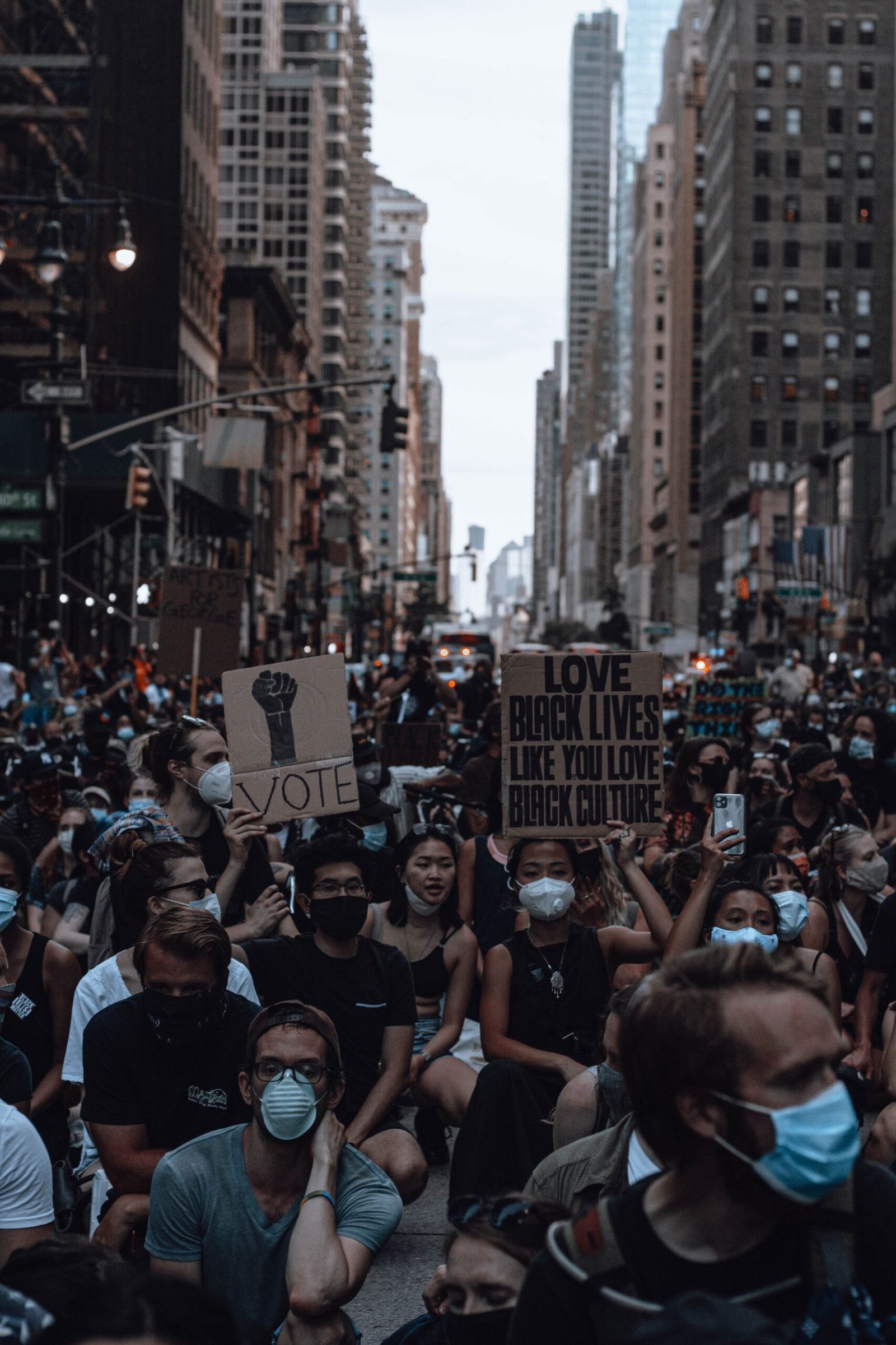
Black culture is not simply part of global culture. It is one of the forces that continues to shape it. From the music people listen to and the films they watch to the fashion they wear, the language they use and the social movements they support, Black creativity and innovation have influenced communities across every continent. Discover how Black culture shapes global music, film, fashion, media, business and society, influencing communities and generations worldwide. The Global Influence of Black Culture.
Across Africa, the Caribbean, Europe, North America and beyond, Black communities have created cultural movements that have crossed borders, challenged stereotypes and transformed industries. Their contributions are visible in entertainment, education, business, technology, politics, literature, sport and the arts.
Yet the importance of Black culture goes far beyond its global popularity. It represents generations of creativity, resilience, identity, entrepreneurship and the determination to tell stories that deserve to be heard.
As the world becomes increasingly connected through digital media, streaming platforms and social networks, Black voices have more opportunities to reach international audiences. At the same time, independent publications, Black-owned businesses, artists, filmmakers and community organizations continue to play an essential role in preserving heritage and creating opportunities for future generations.
This is the global influence of Black culture: a continuing story of creativity, innovation, achievement and cultural transformation.
1. The African Roots of Global Black Culture
To understand the influence of Black culture around the world, it is important to recognize the historical and cultural contributions of Africa.
Africa is a continent of extraordinary cultural diversity, with thousands of languages, distinct traditions, artistic practices, musical styles and historical experiences. Its influence has travelled across generations and geographical boundaries, shaping societies throughout the African diaspora.
The forced displacement of millions of Africans through the transatlantic slave trade created painful histories of separation, exploitation and resistance. However, African cultural traditions survived and developed in new environments. Communities preserved elements of their languages, rhythms, spiritual practices, food, storytelling and artistic expression, adapting them while creating new cultural identities.
In the Caribbean, African heritage helped shape musical traditions, religious practices, cuisine and festivals. In the Americas, African influences became fundamental to the development of blues, jazz, gospel, soul, hip-hop and numerous other cultural forms.
Today, African countries are also increasingly recognised for their contemporary creative industries. Nigerian Afrobeats, Ghanaian music, South African amapiano, African literature, fashion and visual arts have attracted audiences well beyond the continent.
The African diaspora is not a single cultural experience. It is a collection of interconnected histories and identities, united in part by shared ancestry, creativity and cultural exchange.
Understanding these connections provides an important foundation for appreciating Black culture as a global influence.
2. How Black Music Changed the World
Music is one of the most visible examples of Black cultural influence.
Many of the world’s most recognisable musical genres have roots in Black creativity and musical traditions. Blues, jazz, gospel, soul, reggae, funk, disco and hip-hop have transformed the sound of popular music and influenced generations of musicians.
Blues emerged from the experiences and musical traditions of African American communities in the southern United States. Its emotional expression, rhythms and musical structures helped shape later genres, including rock and roll.
Jazz introduced new approaches to improvisation, composition and performance. Artists such as Louis Armstrong, Duke Ellington and Miles Davis helped establish jazz as an internationally respected art form.
Reggae, which developed in Jamaica, became a powerful expression of identity, spirituality and social commentary. Its international reach demonstrated how a local musical movement could influence global culture.
Hip-hop emerged in the Bronx in the 1970s, bringing together DJing, MCing, breakdancing and graffiti as elements of a wider cultural movement. It developed into a global phenomenon that continues to influence music, fashion, language, business and youth culture.
Today, African artists are also helping reshape the international music industry.
Afrobeats has become a major global musical movement, while amapiano has expanded from South Africa to dance floors and festivals around the world. Artists such as Burna Boy, Wizkid, Tems and Tyla have helped introduce new audiences to contemporary African sounds.
The influence of Black music is not limited to entertainment. It is also an economic and cultural force, creating opportunities for performers, producers, songwriters, promoters, fashion designers and entrepreneurs.
Black musicians have consistently demonstrated that music can communicate experiences, preserve heritage, challenge social expectations and bring people together across cultural boundaries.
3. Black Filmmakers and the Transformation of Global Cinema
Film and television are powerful tools for shaping how people understand the world. For much of cinema history, Black stories and perspectives were frequently overlooked, stereotyped or excluded from mainstream production.
Black filmmakers have worked to change that.
From independent cinema to major international productions, Black directors, writers, actors and producers have expanded the range of stories audiences can experience.
Filmmakers such as Spike Lee, Ava DuVernay, Steve McQueen, Jordan Peele and Ryan Coogler have helped bring different perspectives into mainstream cinema. Their work explores subjects including identity, history, social inequality, family, politics, imagination and cultural belonging.
African cinema also has a rich and important history. Filmmakers across Nigeria, Ghana, Senegal, South Africa and other countries have developed distinctive approaches to storytelling that reflect local experiences while attracting international audiences.
Nigeria’s Nollywood industry is particularly significant. Its growth has demonstrated the commercial and cultural potential of locally produced films, with stories reaching audiences throughout Africa and across the diaspora.
Streaming services have created additional opportunities for Black filmmakers to reach international viewers. However, greater distribution does not automatically guarantee equal investment, creative control or representation.
The continued development of Black cinema depends on access to funding, production opportunities, distribution networks and decision-making positions throughout the industry.
The future of cinema will be richer when filmmakers from different backgrounds have the resources and freedom to tell their own stories.
4. Black Media and the Importance of Independent Voices
Representation in media matters because the stories published about communities influence public understanding, cultural identity and social awareness.
For generations, Black communities have established newspapers, magazines, radio stations, television programmes and independent publications to document their experiences and provide alternative perspectives.
Black media has played an important role in reporting achievements, challenging discrimination, celebrating culture and highlighting issues that mainstream coverage may overlook.
Today, digital publishing has created new opportunities for independent Black media organisations.
Online magazines, cultural publications, podcasts, blogs and social media platforms allow writers, journalists, photographers and commentators to reach international audiences without relying exclusively on traditional media institutions.
Independent Black media can cover a broad range of subjects, including:
- Black history, heritage and cultural identity.
- African and Caribbean communities.
- Music, film, television and entertainment.
- Black-owned businesses and entrepreneurship.
- Education, leadership and professional achievement.
- Fashion, art, literature and creative expression.
- Social issues and community developments.
- Black excellence and international success stories.
Publications such as World of Blackness contribute to this wider media landscape by providing a platform for Black culture, achievements, perspectives and stories.
Independent publications are especially valuable because they can build direct relationships with their audiences, develop distinctive editorial identities and explore subjects that deserve more attention.
Their long-term success depends on editorial credibility, accurate reporting, original perspectives and meaningful relationships with readers.
A diverse media landscape benefits everyone. It gives audiences access to a wider range of experiences and ensures that cultural conversations are not shaped by a limited number of voices.
5. Black Fashion, Art and Creative Expression
Black creativity has had a profound influence on fashion, visual arts, photography, design and contemporary aesthetics.
African textiles, traditional patterns, hairstyles, jewellery and craftsmanship have influenced designers and creative movements around the world.
Across the Caribbean, North America, Europe and Africa, fashion has also become a way to express identity, heritage, resistance and individuality.
Black designers and entrepreneurs have helped expand the fashion industry through innovative clothing, accessories, beauty products and creative businesses.
In contemporary fashion, Black cultural expression can be seen in streetwear, luxury design, music-inspired clothing and the growing visibility of African designers on international platforms.
Visual artists have also used their work to explore identity, historical memory, belonging, race and social change.
Artists such as Jean-Michel Basquiat, Kara Walker, Kerry James Marshall and Yinka Shonibare have contributed distinctive perspectives to international art conversations.
Photography, sculpture, painting and digital art provide opportunities to preserve experiences, challenge conventional representations and imagine new possibilities.
Black creative expression is not confined to a particular style or historical period. It continues to evolve through collaborations, emerging technologies and the work of new generations.
6. Black Entrepreneurs and the Growth of Global Business
Black entrepreneurship is another important part of the global Black experience.
Across different countries and industries, Black entrepreneurs are establishing businesses, developing new products, creating employment and contributing to economic development.
Their work can be found in technology, fashion, beauty, finance, hospitality, entertainment, education, healthcare, agriculture and professional services.
Black-owned businesses often serve communities by identifying unmet needs and creating products and services that reflect the experiences of their customers.
Entrepreneurship can also contribute to economic independence and generational wealth. Successful businesses create opportunities not only for their founders but also for employees, suppliers, partners and local communities.
Digital technology has opened additional routes to business growth. Online marketplaces, social media, digital payments and international logistics have made it easier for smaller businesses to reach customers beyond their immediate geographical areas.
However, challenges remain. Access to investment, affordable finance, professional networks and large-scale distribution is not equally available to every entrepreneur.
Supporting Black-owned businesses can help strengthen local economies and encourage wider participation in commercial opportunities.
Consumers, institutions and other businesses can contribute by discovering Black-owned companies, purchasing their products, recommending their services and building meaningful commercial partnerships.
Black entrepreneurship should be recognised not simply as an inspiring story but as an important part of global economic activity.
7. Black History, Identity and the Importance of Education
Black history is an essential part of world history.
The achievements, experiences and contributions of Black communities have influenced political movements, scientific discoveries, literature, education, business, art and the development of modern societies.
Figures such as Nelson Mandela, Martin Luther King Jr., Rosa Parks, Kwame Nkrumah, Maya Angelou and Marcus Garvey represent different aspects of leadership, activism, literature and cultural transformation.
Their stories demonstrate the importance of courage, education, organisation and the pursuit of equality.
However, Black history should not be limited to a small number of internationally recognised individuals or celebrated only during designated commemorative periods.
It includes the histories of African civilisations, Caribbean societies, African American communities, Black British history and the many contributions of people across the global diaspora.
Education helps younger generations understand where they come from, recognise the contributions of previous generations and develop a stronger sense of identity.
Access to accurate historical information also helps challenge stereotypes and provide a more complete understanding of the world.
Black history is not separate from global history. It is an integral part of it.
8. The Influence of Black Culture on Social Change
Black communities have played significant roles in movements for civil rights, political representation, freedom, equality and social justice.
Throughout history, individuals and organisations have challenged systems of discrimination and worked to improve opportunities for future generations.
The American Civil Rights Movement helped transform national and international discussions about racial equality. Anti-apartheid activism contributed to the struggle against institutionalised racial segregation in South Africa.
Across Africa and the Caribbean, independence movements challenged colonial rule and helped establish new nations.
More recently, digital platforms have allowed social justice movements to reach international audiences quickly. Online campaigns, community reporting and digital activism have made it easier to share information, organise support and bring attention to issues affecting Black communities.
Social change is not achieved through public awareness alone. It also requires sustained community engagement, education, policy development and institutional accountability.
Black activists, educators, writers, organisers and community leaders continue to contribute to these efforts in different ways.
Their work demonstrates that cultural influence can extend beyond entertainment and artistic expression into the structures and values of society.
9. The African Diaspora: A Global Community with Diverse Experiences
The African diaspora connects communities across the world through histories of migration, ancestry, cultural exchange and shared experiences.
Black communities in Britain, the United States, Canada, Brazil, the Caribbean, Europe and other regions have developed distinctive identities shaped by their local histories and circumstances.
Black British culture, for example, reflects generations of Caribbean and African migration, alongside the experiences of people born and raised in Britain.
In the Caribbean, cultural traditions have developed through African heritage, Indigenous influences, European colonial histories and the experiences of different migrant communities.
In Brazil, the African diaspora has contributed significantly to music, religion, cuisine, dance and national identity.
African communities across Europe have also developed vibrant cultural and entrepreneurial networks, contributing to local societies while maintaining connections with their countries of origin.
These experiences are connected, but they are not identical.
Recognising the diversity of the African diaspora is important. Black identity cannot be reduced to one nationality, language, religion, political perspective or cultural tradition.
The strength of the global Black community lies partly in its diversity and the opportunities for people to learn from one another.
10. The Future of Black Culture in the Digital Age
Technology is transforming the way Black culture is created, shared and experienced.
Social media platforms allow musicians, filmmakers, writers, photographers and entrepreneurs to connect directly with audiences.
Independent creators can publish work, promote projects, develop businesses and build international communities without depending entirely on traditional gatekeepers.
Podcasts and video platforms have created opportunities for conversations about Black history, relationships, business, education, politics, entertainment and everyday life.
Digital archives and online educational resources also help preserve cultural material that might otherwise receive limited attention.
Artificial intelligence and other emerging technologies may create further opportunities in creative production, translation, research and digital distribution. However, they also raise important questions about copyright, ownership, representation and the protection of cultural heritage.
The growth of digital media makes it increasingly important to support credible sources, responsible publishing and original creative work.
For Black media organisations, the opportunity is significant.
They can build stronger editorial brands, reach international readers, develop new revenue streams and provide platforms for emerging voices.
But sustainable growth requires more than visibility. It requires trust, consistency, quality and a clear understanding of the audiences being served.
11. Why Supporting Black Media Matters
A strong independent media landscape helps ensure that Black communities are represented in the wider cultural conversation.
When independent Black publications succeed, they create opportunities for journalists, writers, photographers, editors, researchers and emerging creative professionals.
They also help readers discover stories that might otherwise remain underreported.
Supporting Black media does not mean abandoning other sources of information. It means recognising the importance of diversity in journalism and ensuring that audiences have access to different perspectives.
Readers can contribute by subscribing to publications, sharing useful articles, supporting original reporting, engaging respectfully with discussions and recommending credible independent outlets.
Businesses and organisations can support Black media through transparent advertising, ethical partnerships and meaningful collaborations.
Writers and creative professionals can contribute by sharing expertise, proposing original stories and helping develop a wider range of perspectives.
The future of independent Black media will depend on its ability to combine strong editorial standards with sustainable business models and meaningful audience relationships.
12. Celebrating Black Excellence and Looking Ahead
Black excellence is visible in countless areas of human achievement.
It can be found in scientists developing new technologies, educators transforming classrooms, entrepreneurs building businesses, athletes achieving extraordinary success, artists creating influential work and community leaders improving people’s lives.
It is also found in everyday contributions: parents supporting their families, young people pursuing education, volunteers strengthening communities and individuals creating opportunities for others.
Celebrating Black excellence should not mean focusing only on exceptional individuals. It should also involve recognising the communities, institutions and networks that make achievement possible.
The next generation needs access to education, mentorship, investment, creative opportunities and platforms where their ideas can be heard.
By preserving history, celebrating achievement and supporting new talent, communities can help create a stronger future.
Black culture has always been dynamic. It draws from history while continuing to develop through innovation, creativity and cultural exchange.
Its influence will continue to evolve as new generations tell their stories, build businesses, create art and shape the societies in which they live.
Conclusion: Black Culture Is a Global Story
The influence of Black culture can be seen across the world, from music and film to fashion, business, education, media and social change.
Its history reflects creativity, resilience, cultural preservation and the determination of communities to define their own identities and share their experiences.
Today, Black voices continue to influence global conversations and inspire new generations of artists, entrepreneurs, leaders and innovators.
Independent Black media has an important role in documenting this journey. By sharing meaningful stories, highlighting achievement and providing space for diverse perspectives, these publications help ensure that Black experiences remain visible and valued.
World of Blackness celebrates the people, stories, achievements and cultural contributions that shape the global Black experience.
The story of Black culture is not simply a story of the past. It is a story being written every day, across continents, communities and generations.
Frequently Asked Questions
What is Black culture?
Black culture refers to the diverse traditions, histories, experiences, creative expressions and identities of people of African descent around the world. It includes music, art, fashion, literature, food, language, history and many other aspects of social life.
Why is Black culture important globally?
Black culture has influenced global music, cinema, fashion, literature, business and social movements. Its contributions have shaped popular culture, challenged stereotypes and introduced new forms of creativity and expression.
What is the African diaspora?
The African diaspora refers to communities of African descent living outside Africa, including people whose ancestors migrated voluntarily or were forcibly displaced through historical events such as the transatlantic slave trade.
Why is independent Black media important?
Independent Black media provides platforms for stories, perspectives and achievements that may receive limited attention elsewhere. It supports cultural representation, community awareness, independent journalism and the development of diverse public conversations.
How can people support Black culture?
People can support Black culture by learning about its history, supporting Black-owned businesses, discovering Black artists and filmmakers, reading independent Black publications, attending cultural events and sharing credible stories that highlight Black achievements.
What is the future of Black culture?
Black culture will continue to evolve through technology, creative industries, entrepreneurship, education and international cultural exchange. Younger generations will play an important role in shaping how Black stories and experiences are shared around the world.
World of Blackness is an independent digital platform celebrating Black culture, heritage, achievements, creativity and perspectives from around the world. Through stories covering media, entertainment, history, business and contemporary issues, World of Blackness aims to highlight the people and ideas shaping the global Black experience.
Explore more stories and perspectives at World of Blackness.