

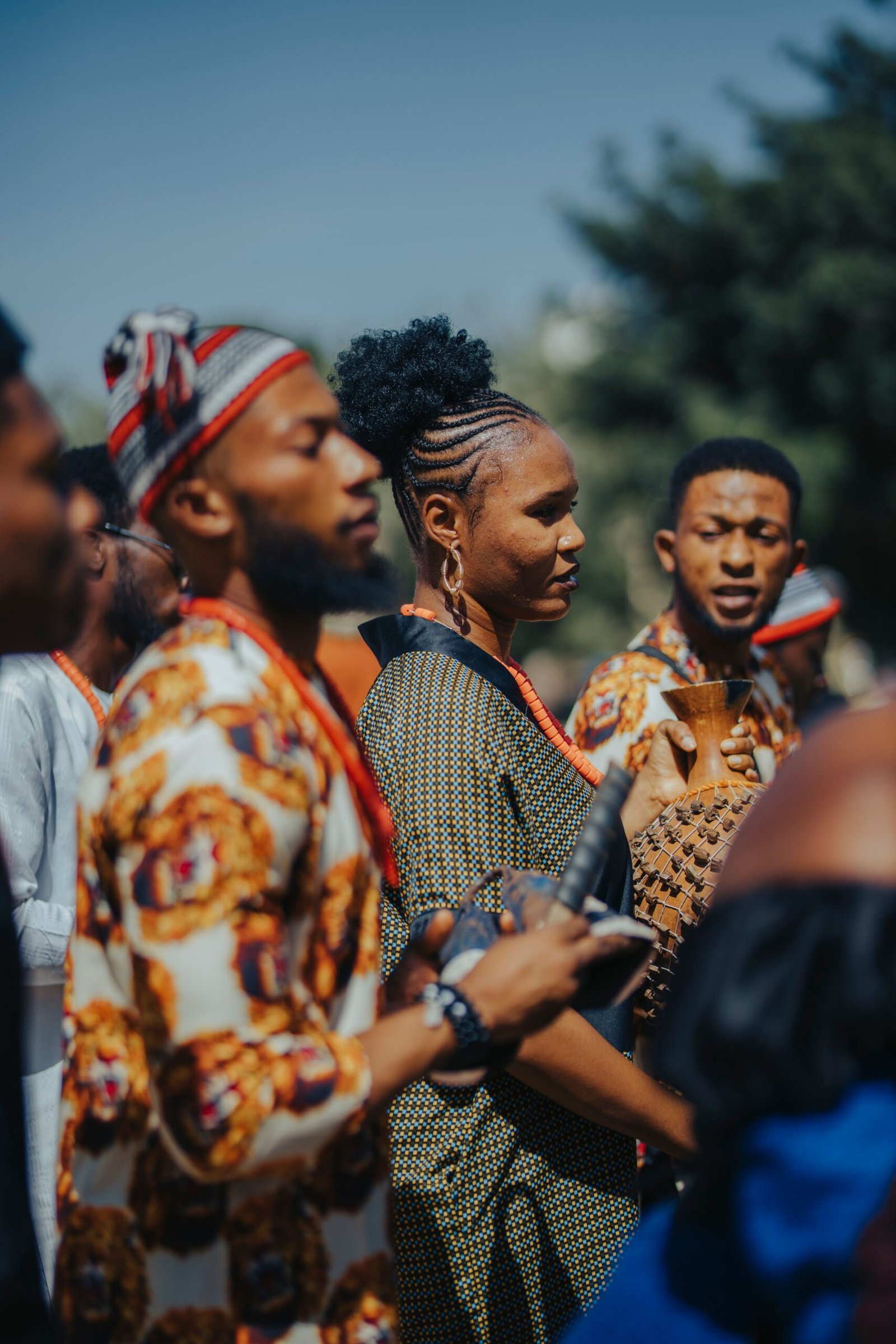
The African diaspora is one of the most significant stories in world history. Across centuries, people of African ancestry have shaped societies through their knowledge, creativity, resilience, leadership and cultural traditions. From the Caribbean and the Americas to Europe, the Middle East and other parts of the world, African heritage continues to influence how people live, communicate, create and understand their identities.
Yet the African diaspora is much more than a story of migration. It is a story of communities building new lives, preserving their heritage, resisting injustice and contributing to the development of the modern world. It includes the descendants of Africans forcibly displaced through slavery, people who migrated voluntarily for education or employment, and families who maintain connections with Africa across generations.
Understanding the African diaspora means recognising both the historical experiences that brought these communities into being and the remarkable diversity that defines them today. It also means acknowledging the contributions of people of African descent to politics, science, literature, music, business, sport and social change.
What Is the African Diaspora?
The African diaspora refers broadly to communities of African ancestry living outside the African continent, together with their histories, cultural connections and relationships with Africa.
These communities are not identical. Their languages, traditions, religions, national identities and historical experiences vary considerably according to where their ancestors settled and the circumstances that shaped their lives.
For some, African heritage is connected to family traditions passed down through generations. For others, it involves rediscovering ancestral roots, learning about African history or building relationships with contemporary African communities.
The term also includes people whose families have migrated in recent decades. African professionals, students, entrepreneurs, artists and workers have established communities across Europe, North America, the Caribbean, the Middle East and Asia.
What connects these different experiences is a relationship with African ancestry, although the meaning of that relationship differs from person to person.
The United Nations recognises the diverse histories and contributions of people of African descent through its international work on human rights, equality and cultural recognition. Its Second International Decade for People of African Descent, covering 2025–2034, continues to focus on recognition, justice and development.
The History of the African Diaspora
To understand the African diaspora today, it is important to explore the different historical forces that shaped African migration and settlement around the world.
African Connections Before the Transatlantic Slave Trade
African history did not begin with European colonialism, and African connections with other parts of the world existed long before the transatlantic slave trade.
Across different periods, African societies participated in commercial, intellectual, religious and cultural exchanges with Europe, the Middle East and Asia. Trans-Saharan trade connected communities across North and West Africa, while Indian Ocean trading networks linked the eastern African coast with Arabia, Persia, India and other regions.
Cities such as Timbuktu became associated with scholarship, manuscript culture and Islamic learning. Along the Swahili Coast, African and overseas influences interacted through trade, language, architecture and religion.
These connections demonstrate that African societies were active participants in wider global networks. They also remind us that the history of African migration includes different forms of movement, exchange and settlement, not just forced displacement.
The Transatlantic Slave Trade and Forced Displacement
One of the most devastating chapters in the history of the African diaspora was the transatlantic slave trade.
From the fifteenth century onwards, European colonial expansion helped establish a system in which millions of African people were captured, sold and forcibly transported across the Atlantic. Enslaved Africans were made to work on plantations, in mines, in households and in other forms of labour throughout the Americas and the Caribbean.
The consequences extended far beyond the individuals who were enslaved. Families were separated, communities were disrupted, and African societies experienced profound economic, political and demographic consequences. Enslaved people were denied freedom and subjected to violence, exploitation and laws designed to treat them as property.
At the same time, enslaved Africans and their descendants resisted these systems in many ways. Resistance included preserving cultural practices, escaping captivity, organising rebellions, building independent communities and campaigning for abolition.
The history of slavery must therefore include both the suffering inflicted on African people and their determination to defend their dignity and freedom.
The UNESCO Routes of Enslaved Peoples programme explores the history and continuing consequences of enslavement while supporting research, education and the preservation of historical memory.
Emancipation, Colonialism and the Struggle for Equality
The abolition of slavery did not immediately create equality. In many countries, formerly enslaved people and their descendants continued to face discriminatory laws, economic exclusion, racial segregation and restricted political rights.
Colonialism also reshaped African societies through territorial conquest, resource extraction, political domination and the imposition of foreign systems of government. These developments influenced migration patterns and relationships between Africa, Europe and the wider world.
During the nineteenth and twentieth centuries, people of African descent organised movements for civil rights, independence, labour rights and political representation. Writers, activists, religious leaders and community organisers challenged racial discrimination and argued for equal citizenship.
The Pan-African movement helped connect people of African descent across national borders. Although its members held different views about politics, culture and the future of Africa, many shared a commitment to solidarity, dignity and resistance to racial injustice.
These movements helped shape debates about democracy, human rights, independence and equality that remain relevant today.
Modern African Migration and Global Communities
The African diaspora continues to grow and change through contemporary migration.
People move from African countries for many reasons, including education, employment, entrepreneurship, family connections, safety and professional opportunities. Some settle permanently in another country, while others return to Africa or maintain lives across several countries.
African communities have become established in cities such as London, Paris, Toronto, New York and Johannesburg, among many others. These communities contribute to local economies, public services, education, research, arts and cultural life.
Modern migration also creates new relationships between African countries and diaspora communities. Digital communication, travel, international business and family networks make it easier for people to exchange ideas, support relatives and collaborate across borders.
The modern African diaspora is therefore not simply a legacy of the past. It is a changing global community shaped by present-day choices, opportunities and challenges.
How African Culture Has Influenced the World
One of the most visible contributions of the African diaspora is its influence on global culture. African traditions have travelled across borders, adapted to new environments and helped create cultural forms enjoyed by people around the world.
Music, Dance and Creative Expression
African musical traditions have influenced numerous genres, including jazz, blues, gospel, reggae, samba, salsa, hip-hop and many contemporary forms of popular music.
These traditions developed through complex histories involving African rhythms, instruments, storytelling, spiritual practices, local traditions and cultural exchanges. In the Americas and Caribbean, enslaved Africans and their descendants created new musical expressions despite attempts to suppress their languages, beliefs and customs.
In the twentieth century, Black musicians helped transform the international music industry. Jazz artists expanded musical improvisation and composition, while blues musicians influenced rock and other popular genres. Reggae carried messages of identity, spirituality and social justice across international audiences. Hip-hop developed into a global cultural movement encompassing music, dance, fashion, visual art and political expression.
Today, Afrobeats and other contemporary African music scenes connect artists and audiences across continents. These developments illustrate how cultural traditions can evolve while maintaining links with their histories.
Food, Language and Everyday Traditions
The African diaspora has also influenced food, language and everyday life.
In the Caribbean, Brazil and parts of North America, African culinary knowledge contributed to distinctive food traditions. Ingredients, cooking techniques and agricultural knowledge travelled through complex and often painful historical processes, becoming part of local cuisines.
African languages and linguistic traditions have also left their mark on creole languages, vocabulary, storytelling and patterns of expression. Cultural practices connected with family, community, spirituality and celebration continue to shape everyday life in many diaspora communities.
These influences are not identical across regions. Jamaican culture, Brazilian culture, African American culture and Black British culture each have their own histories and characteristics.
Recognising these differences is important because the African diaspora is not one single culture. It is a collection of interconnected communities with distinctive identities.
Literature, Film, Fashion and Visual Arts
African and diaspora writers, filmmakers, designers and visual artists have challenged stereotypes and expanded the stories told about Black life.
Literature has explored migration, identity, family, colonialism, belonging and the search for historical memory. Film and television have brought African and diaspora experiences to wider audiences, while fashion and visual art have drawn on traditional techniques, contemporary urban life and personal expression.
Artists also help preserve histories that have been overlooked or misrepresented. Through novels, photographs, exhibitions, documentaries and other creative work, they encourage audiences to reconsider familiar narratives and encounter perspectives beyond their own experiences.
Culture is therefore more than entertainment. It can preserve memory, build community, challenge discrimination and create opportunities for dialogue.
The African Diaspora’s Contributions to Science, Politics and Business
The influence of people of African descent extends well beyond culture. Their achievements have helped shape scientific knowledge, political institutions, economic development and public life.
Science, Medicine and Innovation
People of African descent have made important contributions to scientific discovery and technological progress.
For example, mathematician and NASA computer scientist Katherine Johnson performed calculations that supported early American crewed spaceflight. Her work, alongside that of other Black women mathematicians, became more widely recognised through historical research and the film Hidden Figures.
In medicine and public health, African and diaspora researchers, doctors and healthcare professionals contribute to research, clinical practice and efforts to address health inequalities. Their work spans many disciplines, from infectious disease research to engineering and environmental science.
These examples are part of a much wider history. Scientific achievement depends on education, collaboration, institutions and access to opportunity, and many talented people have worked under conditions that limited their recognition.
Recognising contributions that were previously overlooked helps create a more accurate understanding of scientific history.
Political Leadership and Social Change
The African diaspora has played an important role in struggles for freedom, representation and democratic participation.
Figures such as Frederick Douglass, a formerly enslaved abolitionist and writer, helped challenge slavery and advocate for equal rights. Martin Luther King Jr. became a prominent leader in the American civil rights movement, while Rosa Parks’ resistance to racial segregation became an important catalyst for organised protest.
Across the Caribbean and Africa, political leaders and activists contributed to independence movements and campaigns against colonial rule. In more recent decades, people of African descent have served in national governments, local councils, international organisations and civil society.
Their experiences demonstrate that political change often emerges through collective action, community organising, education and sustained public engagement rather than the work of a single individual.
Entrepreneurship and Economic Contribution
Entrepreneurs and business leaders from African and diaspora communities operate across technology, agriculture, finance, entertainment, retail, professional services and other industries.
Small businesses can play an important role in creating employment, serving local communities and introducing new products and ideas. Larger enterprises contribute to international trade, investment and innovation.
African diaspora networks can also facilitate knowledge exchange, professional connections, charitable initiatives and business relationships between countries. Remittances sent by migrants to relatives in their countries of origin provide financial support to households and contribute to economic activity, although their effects vary between communities and national economies.
It is important not to reduce the diaspora’s economic value to money alone. Its contributions also include skills, research, cultural production, professional experience and relationships that connect different parts of the world.
Challenges Facing African Diaspora Communities Today
Despite their achievements, many people of African descent continue to face challenges linked to discrimination, unequal access to opportunities and historical exclusion.
Racism and Unequal Opportunities
Racial discrimination can affect employment, education, housing, healthcare, public safety and political participation. Its effects differ across countries and communities, and experiences are also shaped by factors such as gender, income, nationality and immigration status.
Addressing these issues requires more than celebrating individual success. It involves examining institutions, strengthening legal protections, improving access to opportunity and listening to the experiences of affected communities.
The United Nations’ work on people of African descent provides a framework for understanding these concerns within the broader context of human rights and equality.
Preserving Heritage Across Generations
For some diaspora families, maintaining ancestral languages, traditions and historical knowledge can be challenging. Migration, discrimination, changing family structures and distance from ancestral communities may interrupt the transmission of cultural practices.
Community organisations, schools, museums, cultural festivals and family histories can help preserve this knowledge. Digital archives and oral-history projects also create opportunities for younger generations to learn about the experiences of their parents, grandparents and ancestors.
Preservation does not mean keeping culture unchanged. Traditions can evolve while continuing to provide a sense of connection and belonging.
Representation and Historical Recognition
African and diaspora histories have not always received balanced attention in education, museums or popular media. Some historical accounts have focused heavily on enslavement and colonialism while giving less attention to African societies, intellectual traditions, achievements and resistance.
A more complete approach includes the history of African kingdoms and trading networks, scientific and artistic contributions, liberation movements, contemporary innovation and the experiences of ordinary people.
UNESCO’s General History of Africa project supports a broader understanding of the continent’s past and the importance of African perspectives in historical education.
The Future of the African Diaspora
The future of the African diaspora will be shaped by education, technology, entrepreneurship, cultural exchange and the continuing pursuit of equality.
Digital platforms allow communities to share stories, develop businesses, collaborate on research and maintain relationships across continents. Younger generations are also finding new ways to explore identity through music, film, fashion, education and community initiatives.
Relations between African countries and diaspora communities may create opportunities for investment, skills development, tourism, academic partnerships and cultural exchange. Making these connections productive requires mutual respect, transparent institutions and recognition that diaspora communities have diverse interests and priorities.
The United Nations’ Second International Decade for People of African Descent, running from 2025 to 2034, provides a current international framework for advancing recognition, justice and development. Its emphasis reinforces the importance of understanding history while taking practical steps towards a more inclusive future.
Ultimately, the diaspora’s future should not be defined only by the obstacles its communities face. It should also reflect their ambitions, achievements, creativity and right to shape the societies in which they live.
Conclusion: A Global Story of Heritage, Resilience and Influence
The African diaspora is a living connection between Africa and the wider world. Its history includes migration, forced displacement, cultural survival, political struggle and the creation of new communities. Its present is reflected in the achievements of artists, scientists, entrepreneurs, educators, activists and families whose experiences enrich societies across continents.
Understanding the African diaspora requires acknowledging historical injustice without allowing that history to overshadow the full breadth of African and diaspora contributions. It means appreciating the diversity of Black communities, preserving cultural heritage and recognising the continuing importance of equality and representation.
For readers interested in African history, Black culture and global affairs, learning about the diaspora provides a valuable way to understand how societies influence one another and how history continues to shape modern life.
At World of Blackness, exploring these stories is part of a wider commitment to knowledge, perspective and global connections. By learning from the past and engaging with the present, readers can gain a deeper appreciation of the people, traditions and ideas that continue to shape our shared world.
Frequently Asked Questions About the African Diaspora
1. What does the term African diaspora mean?
The African diaspora refers broadly to people of African ancestry and the communities they have established outside Africa, together with their histories, cultures and connections to the continent. It includes descendants of people forcibly displaced through slavery as well as people who migrated voluntarily in more recent times.
2. Which countries have large African diaspora communities?
Significant communities of African descent live in countries including the United States, Brazil, Haiti, Jamaica, the United Kingdom, Canada, France and Colombia, among others. There are also substantial African-origin communities across the Caribbean, Europe, the Middle East and other regions. Their histories and identities vary considerably.
3. How did the transatlantic slave trade affect the African diaspora?
The transatlantic slave trade forcibly transported millions of African people to the Americas and Caribbean. It separated families, disrupted African societies and created lasting consequences for descendants and wider societies. Enslaved Africans and their descendants also preserved cultural knowledge, resisted oppression and shaped the cultures of the regions where they lived.
4. What contributions has the African diaspora made to the modern world?
People of African descent have contributed to music, literature, science, medicine, technology, politics, business, sport, education and social movements. Their work has influenced cultural expression, scientific knowledge, political reform and economic development across many countries.
5. Why is preserving African diaspora culture important?
Preserving cultural heritage helps communities maintain connections across generations, understand their histories and share their traditions with others. Language, music, food, literature, oral histories and community celebrations can all help preserve knowledge while allowing culture to develop naturally over time.
6. How can people learn more about the African diaspora?
Readers can explore historical research, museum collections, academic publications, oral-history projects and reputable international resources. Useful starting points include UNESCO’s Routes of Enslaved Peoples, its General History of Africa, and the United Nations’ Second International Decade for People of African Descent.