

Introduction
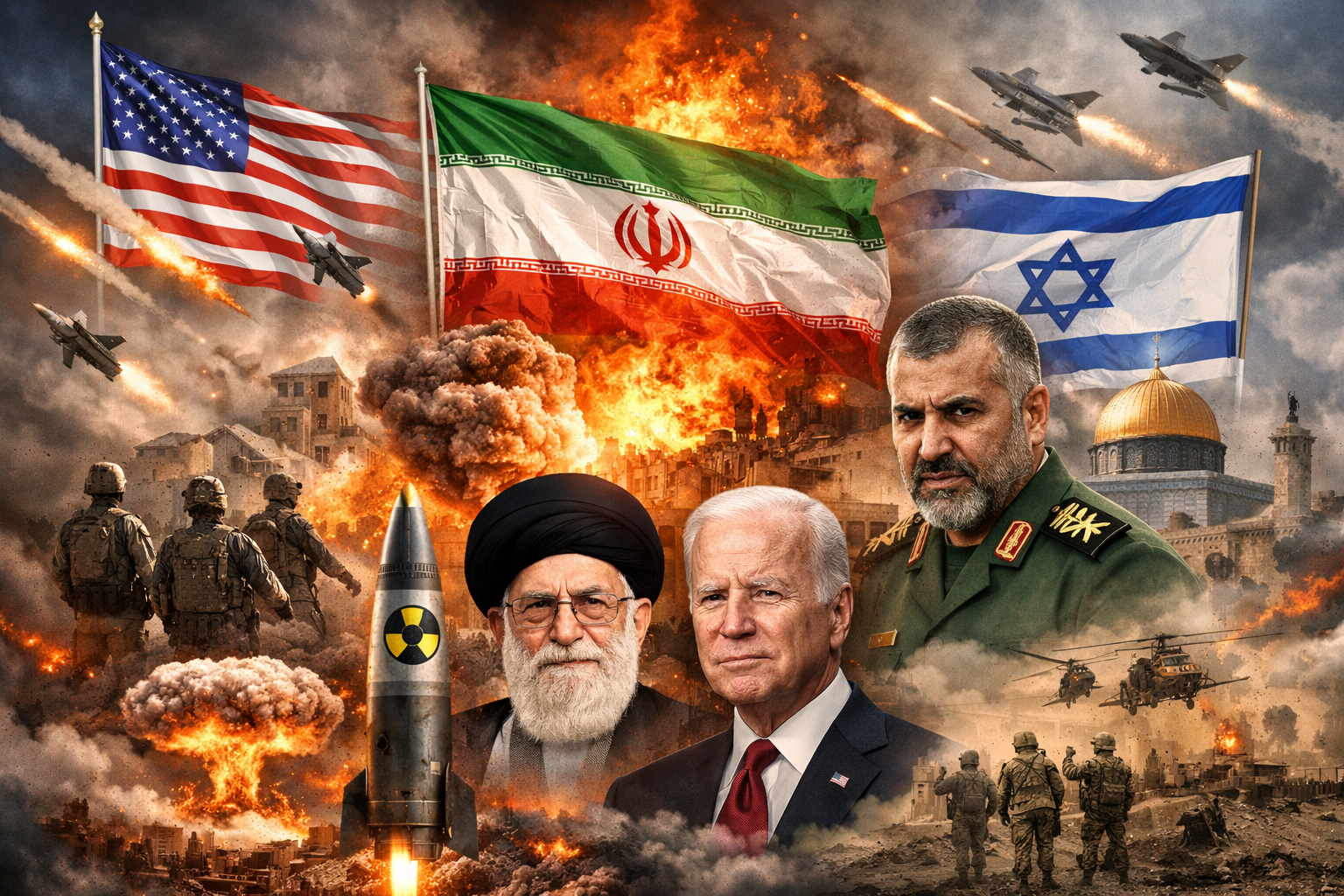
Geopolitical tensions in the Middle East have long shaped global politics, security strategies, and international relations. Recent commentary attributed to political analyst Jabir Baig has sparked debate across media platforms and among observers of international affairs. According to discussions circulating online, Baig raised concerns about possible coordinated actions involving the United States and Israel against Iran, along with warnings of escalating conflict that could affect the wider Islamic world. These claims, combined with ongoing regional tensions, have intensified conversations about the possibility of wider conflict, including fears of a large-scale war. In this article, we explore the geopolitical context, the claims being discussed, the potential implications for the region, and the broader concerns surrounding stability in the Middle East. Here is the debate about Rising Tensions in the Middle East: Analysis of Claims About Iran, Israel, and the United States BY Jabir Baig.
Background: Long-Standing Tensions in the Middle East
The relationship between Iran, Israel, and the United States has been marked by decades of mistrust, ideological differences, and strategic competition.
Iran has positioned itself as a major regional power and frequently challenges U.S. influence in the Middle East. Israel, on the other hand, views Iran as one of its primary security threats due to Tehran’s support for groups opposed to Israel and concerns over Iran’s military capabilities.
The United States has historically been one of Israel’s strongest allies, providing diplomatic, economic, and military support. At the same time, Washington has imposed sanctions on Iran and opposed its nuclear ambitions.
These complex relationships have created an environment where even minor incidents can trigger wider geopolitical tensions.
Claims Made by Jabir Baig
Political commentator Jabir Baig has reportedly discussed the possibility of a planned strategy by the United States and Israel targeting Iran. According to the discussions attributed to him, he suggested that certain events unfolding in the region may have been part of a broader geopolitical plan.
Baig also highlighted the human cost of conflicts in the region, stating that innocent civilians often become victims of political and military confrontations. Such statements reflect widespread concern among observers that conflicts in the Middle East frequently result in significant humanitarian consequences.
His commentary also focused on Iran’s response capabilities and the possibility of retaliatory actions if tensions escalate further.
Iran’s Strategic Position in the Region
Iran occupies a unique position in the Middle East. It is one of the largest countries in the region both geographically and politically, and it shares borders with several strategically important nations.
Iran is also a neighbor of Pakistan, an important South Asian country with its own strategic significance in global geopolitics. This geographical proximity means that instability in Iran could potentially affect surrounding regions.
In addition, Iran has developed extensive military capabilities over the years, including missile technology and regional alliances. These factors contribute to the perception among supporters and critics alike that Iran remains a powerful actor in Middle Eastern affairs.
The Possibility of Retaliation and Regional Escalation
One of the key concerns raised in discussions about the Iran–Israel conflict is the possibility of retaliatory military actions.
Military confrontations in the Middle East rarely remain confined to two countries. Due to alliances, proxy forces, and regional rivalries, conflicts can quickly spread across multiple countries.
Analysts often warn that any major escalation involving Iran and Israel could draw in other powers, including the United States and regional allies. This possibility is one of the main reasons why the international community closely monitors developments in the region.
The Symbolism of Military Operations and Historical References
Some discussions have referenced the symbolic naming of military operations linked to Islamic history. For example, references to historical events such as “Fatah-e-Khybar” carry significant cultural and religious meaning in parts of the Muslim world.
Throughout history, military operations have often been given names that reflect historical narratives, cultural symbolism, or ideological motivations. These names can influence how events are perceived by different communities.
However, such references can also intensify political narratives and emotional responses during conflicts.
The Impact on the Muslim World
The Middle East conflict often resonates deeply across the broader Muslim world. Many people see events in the region not only as political conflicts but also as matters affecting the global Muslim community.
Some commentators argue that greater unity among Muslim-majority countries could influence geopolitical dynamics in the region. Others emphasize the importance of diplomatic solutions and cooperation rather than military confrontation.
Regardless of the perspective, it is clear that conflicts in the Middle East are closely followed by millions of people around the world.
Rising Concerns About Global Security
One of the most alarming aspects of escalating tensions between powerful nations is the fear of a wider war.
When countries with significant military capabilities become involved in direct confrontation, the stakes rise dramatically. Discussions about potential escalation often include concerns about advanced weapons and the catastrophic consequences that large-scale warfare could bring.
International organizations and diplomatic institutions typically work to prevent such escalation through negotiations, sanctions, and peace initiatives.
The Risk of Misinformation and Propaganda
Another major issue during times of geopolitical tension is the spread of misinformation and propaganda.
Information travels extremely fast through social media platforms, online forums, and digital news channels. While this allows people to stay informed, it also creates opportunities for rumors and unverified claims to circulate widely.
Analysts stress the importance of relying on credible sources and verified information when discussing sensitive geopolitical issues.
Understanding the difference between opinion, prediction, and confirmed facts is essential for maintaining balanced public discourse.
Regional Conflicts and Their Global Impact
Conflicts in the Middle East rarely remain local. Because the region plays a crucial role in global energy supply, international trade routes, and security alliances, any escalation can have worldwide consequences.
Economic markets, energy prices, and international diplomacy are all influenced by developments in the region.
This is why governments around the world closely monitor tensions between Iran, Israel, and the United States.
Calls for Peace and Diplomatic Solutions
While political rhetoric often highlights confrontation, many global leaders and organizations continue to advocate for diplomatic solutions.
Negotiations, international agreements, and dialogue between nations are widely considered the most effective ways to reduce tensions and prevent large-scale conflict.
Diplomatic channels have historically played a key role in preventing crises from turning into full-scale wars.
The Importance of Unity and Cooperation
Some commentators emphasize the need for greater unity among nations facing similar geopolitical challenges. They argue that cooperation and mutual understanding can help countries address common security concerns.
However, building such unity is not always easy. Differences in political systems, national interests, and regional alliances often create barriers.
Despite these challenges, many analysts believe that cooperation remains essential for maintaining stability in the region.
Conclusion
The Middle East remains one of the most strategically important and politically complex regions in the world. Discussions and claims about potential conflicts involving Iran, Israel, and the United States highlight the level of concern many observers have about regional stability.
Commentary attributed to analysts like Jabir Baig reflects broader fears about escalation, humanitarian consequences, and the possibility of wider conflict. At the same time, the global community continues to emphasize diplomacy, dialogue, and peaceful solutions.
As geopolitical tensions evolve, the most important priority for the international community remains preventing large-scale conflict and protecting innocent lives.
Maintaining accurate information, encouraging responsible dialogue, and supporting diplomatic efforts will be crucial in shaping a more stable future for the region and the world.