

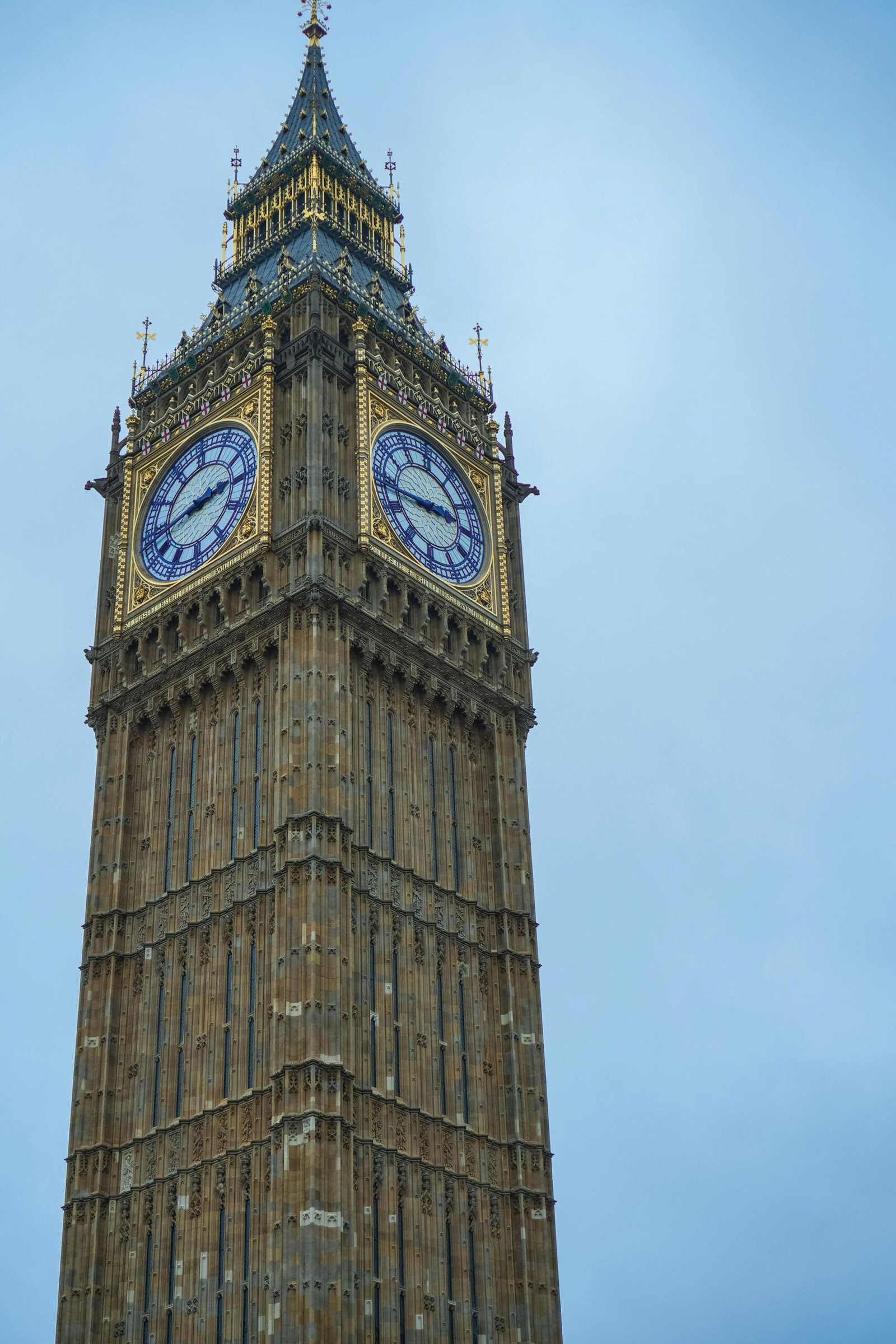
London is not just a capital city—it is a living, breathing cultural ecosystem shaped by centuries of history, global migration, artistic innovation, and social evolution. As one of the most influential cities in the world, London’s culture reflects a unique blend of tradition and modernity, where royal ceremonies coexist with street art, and ancient architecture stands beside cutting-edge skyscrapers. This in-depth guide explores London’s culture in its entirety, covering history, arts, diversity, food, fashion, language, values, traditions, and modern lifestyle. Whether you are a traveler, student, researcher, or culture enthusiast, this article provides a complete overview of London’s cultural identity.
1. Historical Foundations of London’s Culture
London’s culture is deeply rooted in its long and layered history. Founded by the Romans in 43 AD as Londinium, the city has evolved through Anglo-Saxon, Norman, medieval, Tudor, Georgian, Victorian, and modern eras.
Roman and Medieval Influence
-
Roman roads, walls, and trade systems shaped early London.
-
Medieval London became a center of commerce, religion, and governance.
-
Landmarks such as the Tower of London symbolize power, monarchy, and continuity.
The British Empire and Cultural Expansion
-
During the height of the British Empire, London absorbed global influences from Asia, Africa, the Caribbean, and the Americas.
-
Museums, libraries, and institutions were established to preserve global knowledge and art.
London’s past is not hidden—it is embedded in its streets, buildings, and traditions, making history a daily part of cultural life.
2. Diversity and Multicultural Identity
One of London’s defining cultural characteristics is its extraordinary diversity.
A Global City
-
Over 300 languages are spoken in London.
-
More than 40% of residents were born outside the UK.
-
Communities from South Asia, Africa, the Middle East, Europe, East Asia, and the Caribbean contribute to the city’s identity.
Cultural Integration
London’s culture thrives on coexistence rather than assimilation. Neighborhoods such as:
-
Southall (South Asian heritage)
-
Brixton (Afro-Caribbean culture)
-
Chinatown
-
Whitechapel (Bangladeshi heritage)
These communities maintain traditions while shaping modern London life.
3. Language, Communication, and Social Etiquette
English with a London Accent
English is the primary language, but London accents vary widely:
-
Cockney
-
Estuary English
-
Multicultural London English (MLE)
Politeness and Social Norms
-
Politeness is a core cultural value.
-
“Please,” “thank you,” and queuing etiquette are taken seriously.
-
Personal space and subtle communication are respected.
Londoners may appear reserved, but they value courtesy, humor, and mutual respect.
4. Arts, Theatre, and Creative Expression
London is a global capital of the arts, offering both classical and contemporary creativity.
Theatre and Performance
-
The West End rivals Broadway with world-class productions.
-
Shakespeare’s legacy lives on at the Globe Theatre.
-
Experimental theatre thrives in fringe venues.
Music and Cultural Impact
London has shaped global music trends:
-
Classical composers
-
The British Invasion (The Beatles, Rolling Stones)
-
Punk rock, grime, and modern pop
Live music venues range from historic concert halls to underground clubs.
5. Museums, Galleries, and Cultural Institutions
London’s museums are among the most respected in the world—and many are free.
Major Institutions
-
British Museum – global history and artifacts
-
Tate Modern & Tate Britain – contemporary and classical art
-
Victoria and Albert Museum – design and fashion
-
Natural History Museum – science and nature
These institutions reinforce London’s role as a global cultural educator.
6. Food Culture and Culinary Diversity
London’s food culture mirrors its multicultural population.
Traditional British Cuisine
-
Fish and chips
-
Sunday roast
-
Full English breakfast
-
Afternoon tea
Global Cuisine Capital
London is home to:
-
Michelin-starred restaurants
-
Street food markets
-
Authentic global cuisines from every continent
Popular food destinations include Borough Market, Camden Market, and Brick Lane.
7. Fashion, Style, and Identity
London is one of the “Big Four” global fashion capitals.
Fashion Heritage
-
Tailoring traditions from Savile Row
-
Iconic brands like Burberry
-
Punk and street fashion movements
Individual Expression
Londoners use fashion as self-expression rather than conformity. Styles range from minimalist to bold, vintage to futuristic.
8. Festivals, Traditions, and Celebrations
London celebrates both national traditions and global festivals.
British Traditions
-
Trooping the Colour
-
Changing of the Guard
-
Bonfire Night
Multicultural Festivals
-
Notting Hill Carnival
-
Diwali in Trafalgar Square
-
Chinese New Year
-
Eid celebrations
These events showcase unity through diversity.
9. Religion and Belief Systems
London is one of the world’s most religiously diverse cities.
Places of Worship
-
Churches, mosques, temples, synagogues, and gurdwaras coexist.
-
Freedom of belief is protected and respected.
Religion influences architecture, holidays, and community life, while secular values dominate public policy.
10. Work Culture and Daily Life
Professional Culture
-
Punctuality and professionalism are valued.
-
Work-life balance is increasingly emphasized.
-
Hybrid and flexible working models are common.
Lifestyle
-
Public transport shapes daily routines.
-
Coffee culture, pubs, and parks are social hubs.
-
Londoners value independence, ambition, and resilience.
11. Education, Literature, and Intellectual Culture
London is a global education hub.
Universities and Learning
-
Imperial College London
Literary Legacy
-
Shakespeare, Dickens, Virginia Woolf
-
Modern publishing and literary festivals thrive
Bookshops, libraries, and talks are integral to cultural life.
12. Sports and National Pride
Sports play a significant cultural role.
Popular Sports
-
Football (Premier League clubs)
-
Tennis (Wimbledon)
-
Cricket and rugby
Sporting events bring communities together and foster identity.
13. Modern London Culture and Digital Influence
London continuously reinvents itself.
Technology and Innovation
-
FinTech, startups, and creative industries flourish.
-
Digital art, media, and content creation influence culture.
Youth and Social Change
-
Strong youth voices in activism, sustainability, and inclusion.
-
Cultural debates shape modern British identity.
14. Challenges and Cultural Evolution
Despite its strengths, London faces challenges:
-
Housing affordability
-
Social inequality
-
Cultural preservation vs. modernization
These tensions continue to shape the city’s cultural future.
15. Why London’s Culture Matters Globally
London influences:
-
Global arts and media
-
Fashion and design
-
Political discourse
-
Multicultural coexistence models
It serves as a blueprint for global cities navigating diversity and tradition.
Frequently Asked Questions (FAQs)
1. What defines London’s culture?
London’s culture is defined by diversity, history, creativity, and global influence combined with British traditions and modern innovation.
2. Is London a multicultural city?
Yes, London is one of the most multicultural cities in the world, with residents from nearly every country and culture.
3. What languages are spoken in London?
English is the main language, but over 300 languages are spoken, including Urdu, Arabic, Polish, Bengali, and Mandarin.
4. What are key cultural attractions in London?
Major attractions include the British Museum, West End theatres, Buckingham Palace, Tate Modern, and cultural festivals.
5. How important is food to London’s culture?
Food is central to London’s culture, reflecting its global population through diverse cuisines and culinary innovation.
6. What role does history play in London’s culture?
History shapes architecture, traditions, institutions, and social values, making it an essential part of daily life.
7. Is London culturally conservative or progressive?
London is largely progressive, open-minded, and inclusive, while still respecting long-standing traditions.
8. How does London influence global culture?
London influences global fashion, music, literature, finance, politics, and multicultural integration.
Final Thoughts
London’s culture is not static—it is a dynamic fusion of past and present, local and global, tradition and innovation. From its historic streets to its modern creative industries, London continues to shape and reflect the world around it.
Understanding London’s culture means understanding how diversity, resilience, and creativity can coexist in one of the most complex and fascinating cities on Earth.